


Designed by technology experts for business leaders, Banktech Conference goes beyond banking industry trends brining together the people shaping the next generation of financial services.
Over the past 8 years, Banktech has become the room where Southeast Europe’s banking leadership, and the global institutions, come to argue about what happens next — not to be told what already happened.
Building on the momentum of past successful editions, this year’s summit promises to be the most dynamic yet — bolder, and more impactful. Just check out the numbers!













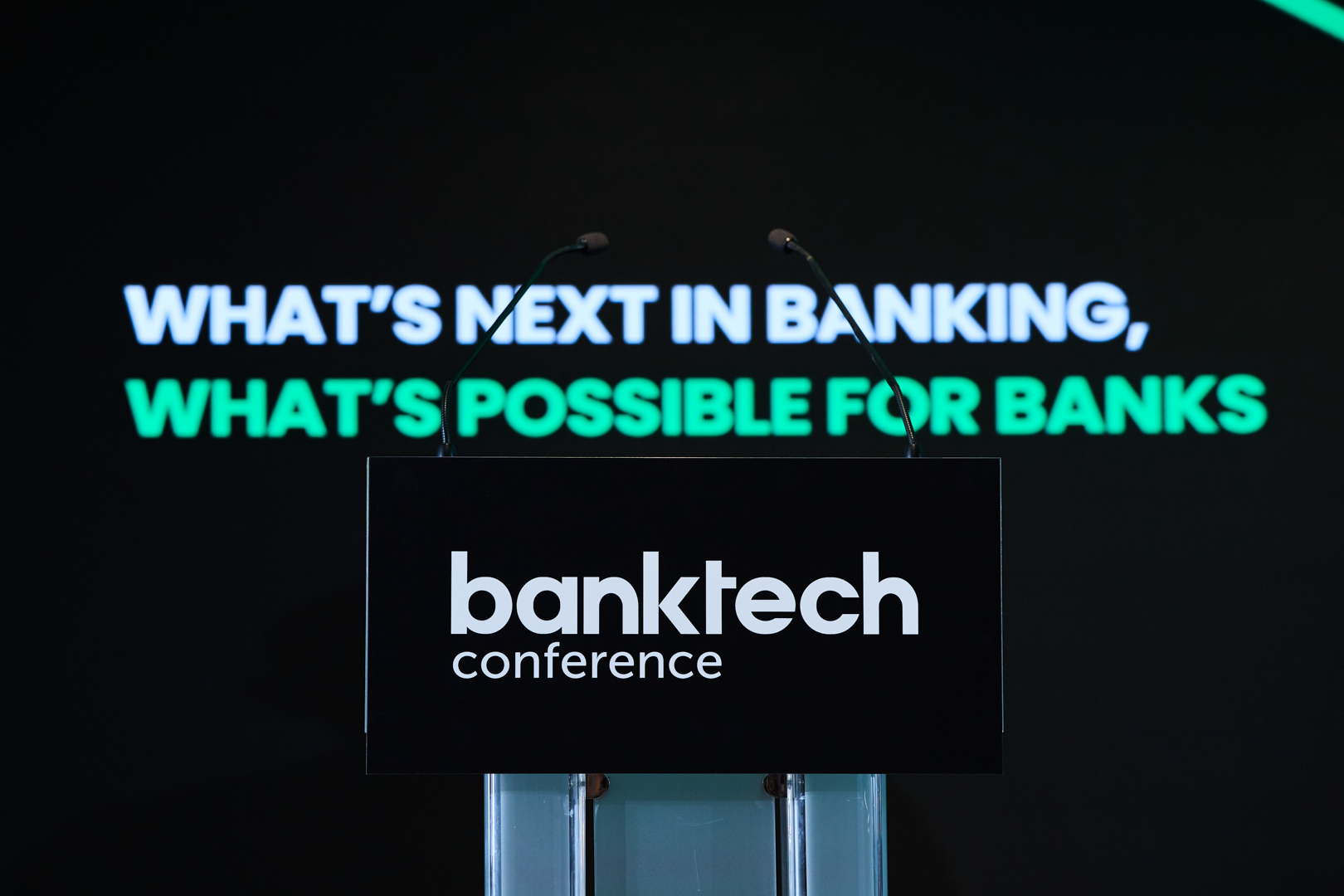
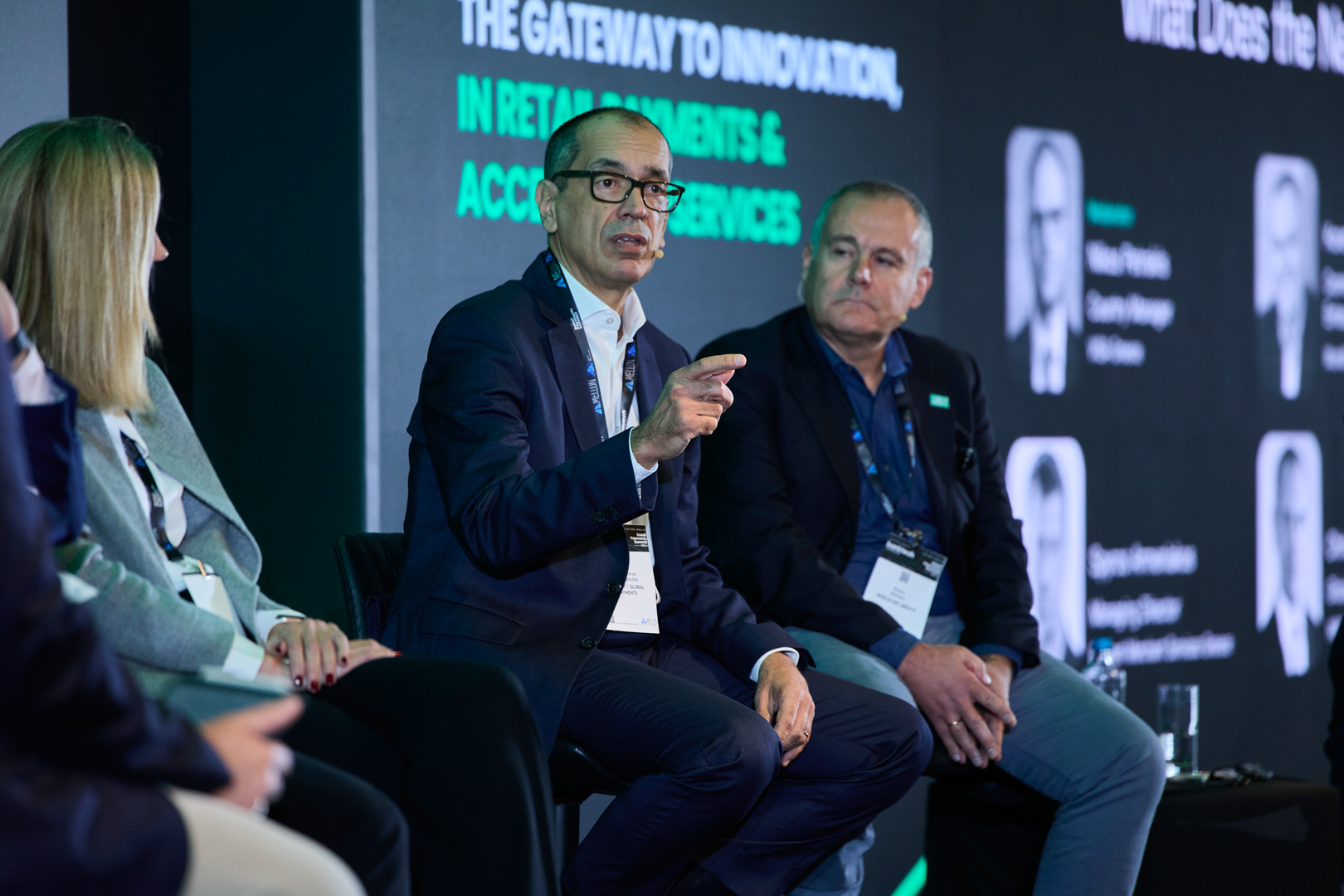
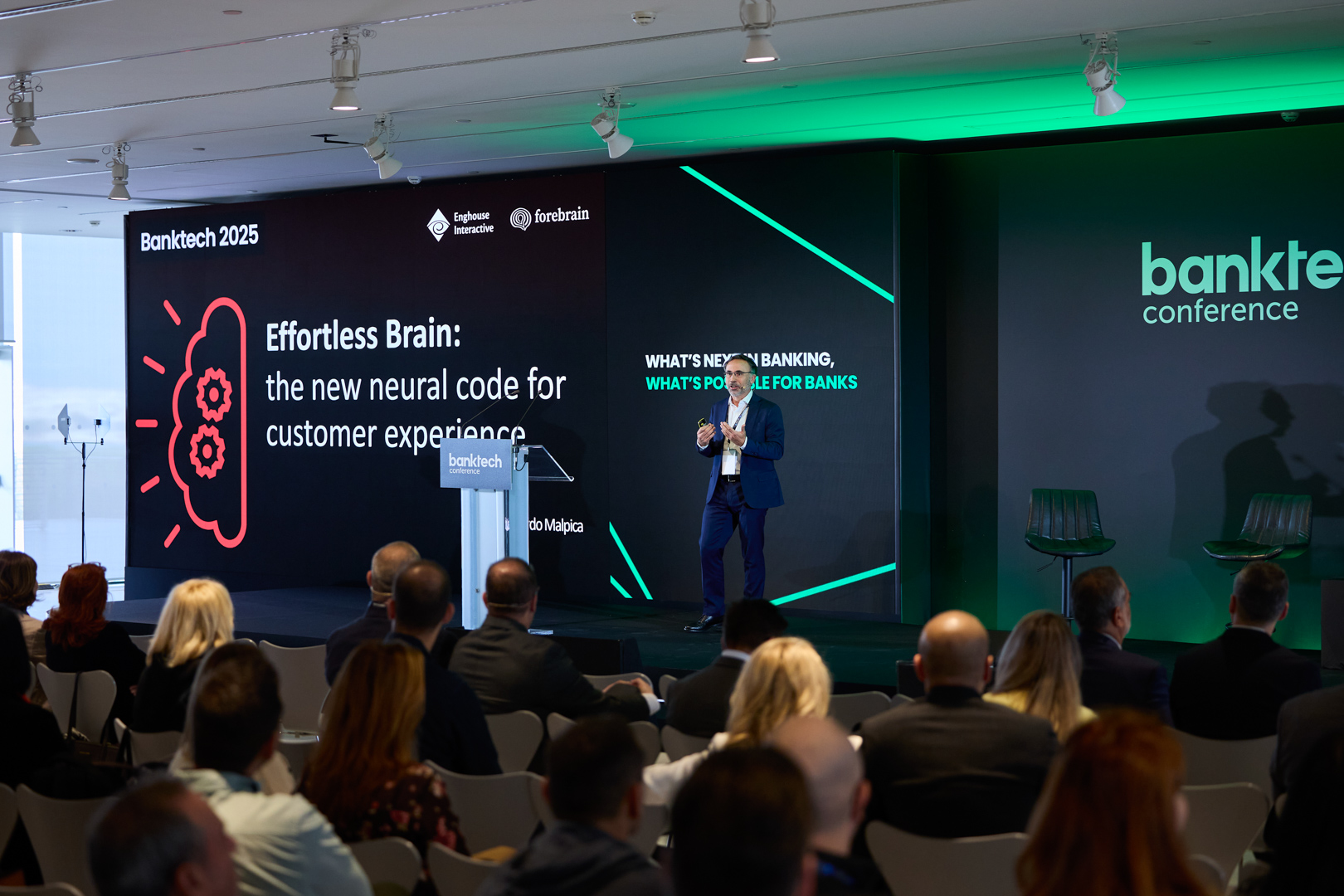
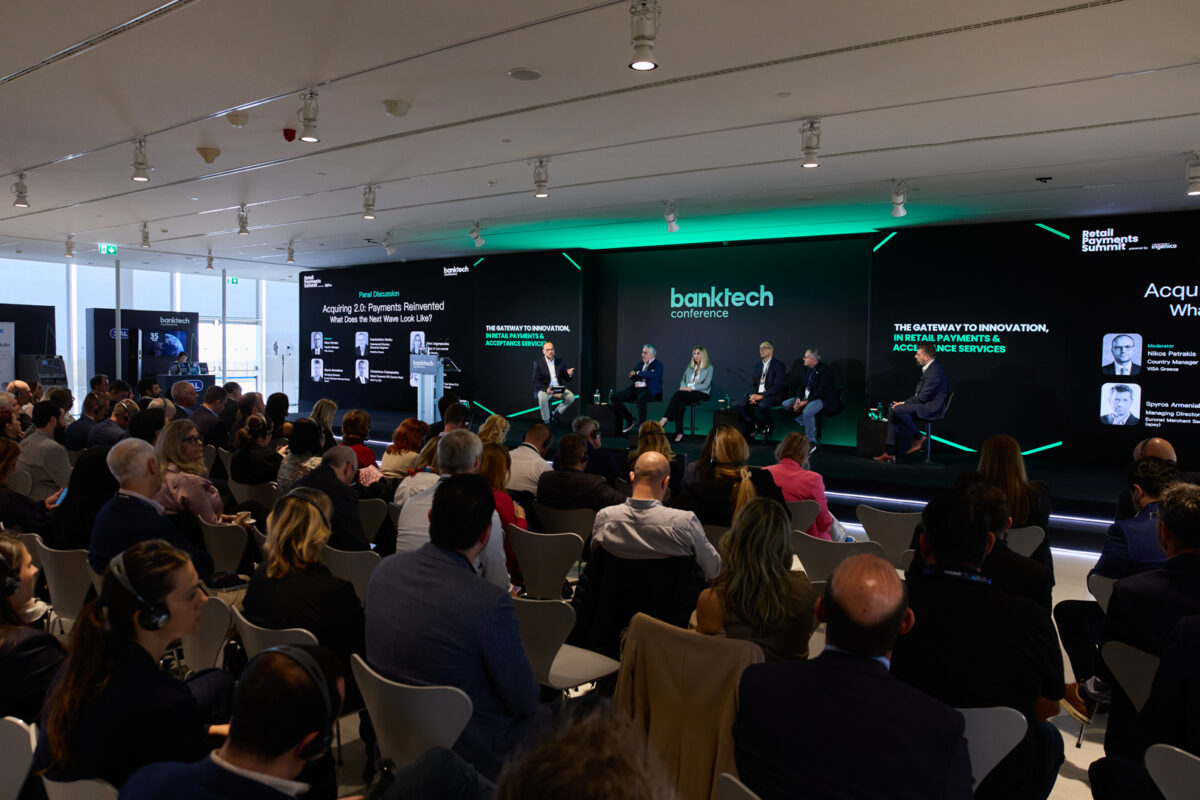
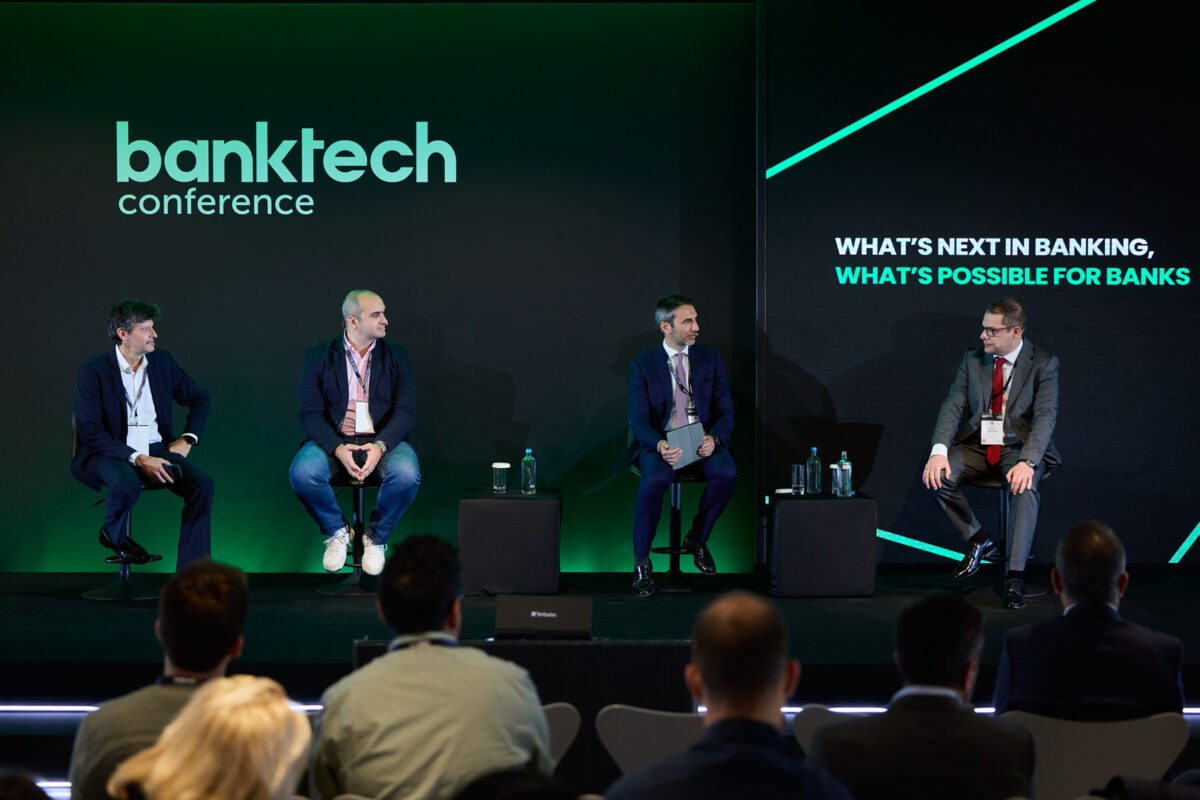

Eight years ago, Banktech started as a conversation about digitizing financial services.
In 2026, that conversation is over. Banks have digitized.
What hasn’t been settled is who holds the power that digital banking created — the intelligence, the money flows, and the trust that makes both usable. That is the conversation BankTech now exists to run, at a scale no other event in Southeast Europe attempts.
And because banking is inseparable from payments, this year’s conference will once again feature a dedicated second day on 9 October, for the Retail Payments Summit: “New Rails, New Devices, New Frontiers: Retail Payments in the Age of Choice”, powered by Ingenico — spotlighting the latest innovations in retail payment and merchant technologies, bringing together partners technology leaders including Ingenico, Mellon, and key.
— we shape it.
This year’s theme, “INTELLIGENCE. RESILIENCE. TRUST”, sets the stage for an exclusive dialogue among the region’s most influential leaders on growth, trust , and resilience in a time of disruption — to shape what comes next.
For the first time in decades, banks have stopped asking how to digitize. They are asking who will control what digitization built.
The conference program is structured around three core pillars, now expanded to include key macro developments across European banking, digital currencies, and regional expansion.
As AI transitions from an assistant to an autonomous decision-maker, the competition shifts from technology adoption to control over the decision-making layer, customer engagement, and underlying data.
With value moving through invisible, real-time, programmable rails and decentralized networks, physical accounts no longer define financial control. Controlling value means controlling the underlying rails and maintaining operational continuity.
In an era dominated by autonomous decisions, rapid digital payments, and shifting identity frameworks, trust cannot be automated — it must be intentionally designed and maintained.
This year’s theme, “INTELLIGENCE. RESILIENCE. TRUST”, sets the stage for an exclusive dialogue among the region’s most influential leaders on growth, trust , and resilience in a time of disruption —to shape what comes next.
For the first time in decades, banks have stopped asking how to digitize. They are asking who will control what digitization built.
The conference program is structured around three core pillars, now expanded to include key macro developments across European banking, digital currencies, and regional expansion.
As AI transitions from an assistant to an autonomous decision-maker, the competition shifts from technology adoption to control over the decision-making layer, customer engagement, and underlying data.
With value moving through invisible, real-time, programmable rails and decentralized networks, physical accounts no longer define financial control. Controlling value means controlling the underlying rails and maintaining operational continuity.
In an era dominated by autonomous decisions, rapid digital payments, and shifting identity frameworks, trust cannot be automated—it must be intentionally designed and maintained.
The future of banking will not be decided by whoever adopts the most technology.
It will be decided by whoever understands where power is moving—and move with it.
Intelligence is becoming autonomous.
Money is becoming programmable and invisible.
Trust is becoming the only thing left that can’t be copied, licensed or automated overnight.
These are no longer independent forces. And as they converge, banking is being rebuilt from the inside out.
Together, they are creating a new operating model for banking, payments and the broader financial ecosystem.
At BankTech 2026, the entire program is organized around the three questions that convergence forces every institution to answer:
Who controls intelligence?
Who controls money?
Who earns trust?
Last year, we said the future was coming.
Today, it’s already taking shape.
The conversation starts here and Banktech Conference exists to answer them.
The question is no longer what’s next in banking.
It’s who’s ready to lead it.
The future of banking will not be decided by whoever adopts the most technology.
It will be decided by whoever understands where power is moving—and move with it.
Intelligence is becoming autonomous.
Money is becoming programmable and invisible.
Trust is becoming the only thing left that can’t be copied, licensed or automated overnight.
These are no longer independent forces. And as they converge, banking is being rebuilt from the inside out.
Together, they are creating a new operating model for banking, payments and the broader financial ecosystem.
At BankTech 2026, the entire program is organized around the three questions that convergence forces every institution to answer:
Who controls intelligence?
Who controls money?
Who earns trust?
Last year, we said the future was coming.
Today, it’s already taking shape.
The conversation starts here and Banktech Conference exists to answer them.
The question is no longer what’s next in banking.
It’s who’s ready to lead it.
Artificial intelligence has stopped transforming banking from the outside. It is now embedded at the core of how financial institutions decide, operate and engage — and as it evolves from assistant to autonomous decision-maker, the competition shifts from adoption to control: control over intelligence, over data, over the customer relationship, and over the decision itself at the exact moment it’s made.
That’s the real question boards are avoiding. Not whether banks deploy AI — every bank already has. It’s whether banks still own the layer where the decision actually happens, or whether that layer now belongs to a cloud platform, a core banking vendor,
or the AI assistant the customer opened before they ever opened their banking app.
The institutions that lead the next decade won’t be the ones that deploy AI best. They’ll be the ones that own the intelligence layer itself — the layer that now sits underneath every product, every operation, and every customer decision a bank used to think was its own.
For two hundred years, controlling money meant controlling an account: a ledger, a vault, a branch where the customer had to show up.
That definition is now obsolete, and most institutions haven’t updated their strategy to reflect it — money today is a signal that moves between platforms, invisible to the customer and, increasingly, invisible to the bank that used to hold it.
Here is the paradox boards haven’t reconciled: a bank can retain every customer relationship it has and still lose the money. Stablecoins, tokenized deposits, embedded wallets and instant-payment schemes don’t compete for the customer’s loyalty — they compete for the microsecond the value actually moves, and whoever owns that microsecond owns the infrastructure of finance, whether or not their logo is on the app.
So the real strategic question isn’t who banks best. It’s who still owns the rail — because rails, unlike relationships, don’t ask permission before they route around you.
Trust is no longer a consequence of success. It is a prerequisite for it.
You can out-build a competitor’s AI. You can out-price a competitor’s payment rail. You cannot out-build trust — you can only earn it, and lose it faster than you built it. As AI makes more decisions, money moves faster, and identity becomes digital and disputable, trust has become the one asset in banking that can’t be automated into existence. It has to be designed for, deliberately, from the boardroom down.
// Chief Commercial Officers
// Chief Executive Officers
// Chief Financial Officers
// Chief Growth Officers
// Chief Marketing Officers
// Chief Product Officers
// Chief Revenue Officers
// Chief Strategy Officers
// Chief Technology Officers
// Chief Data Officers
// Director – Global Payment Networks
// Director – Digital Payments & Cards
// Director – Financial Services
// Director – FinTech M&A
// EVP – International Open Banking
// Global Head of FI and FinTechs
// Global Head of FinTech Solutions
// Global Head of Payment Partnerships
// Global Head of Payments Markets &
Partnerships
// Group Presidenst – Global Business-to-
Business Payments
// Managing Directors– Head of
Investment Banking
// Managing Directors – Global Partnerships
// Managing Directors – Global Banking &
Financial Markets
// Senior Vice President (SVP) – FinTech
// SVP – Global FinTech Enabler Lead
// Vice President (VP) – Banks
// VP – International Banking, EMEA
// VP – Sales Cards & Digital Payments
// VP – Partnerships, EMEA
// VP – Financial Institutions
// VP – Multicurrency & Payments Products
// Global Vice President






Banktech will use your details to send you the requested information and to stay in touch via email or mobile communications from time to time with updates and other information about our event, products and services that may be of interest. We encourage you to read our Privacy & Cookies policies.